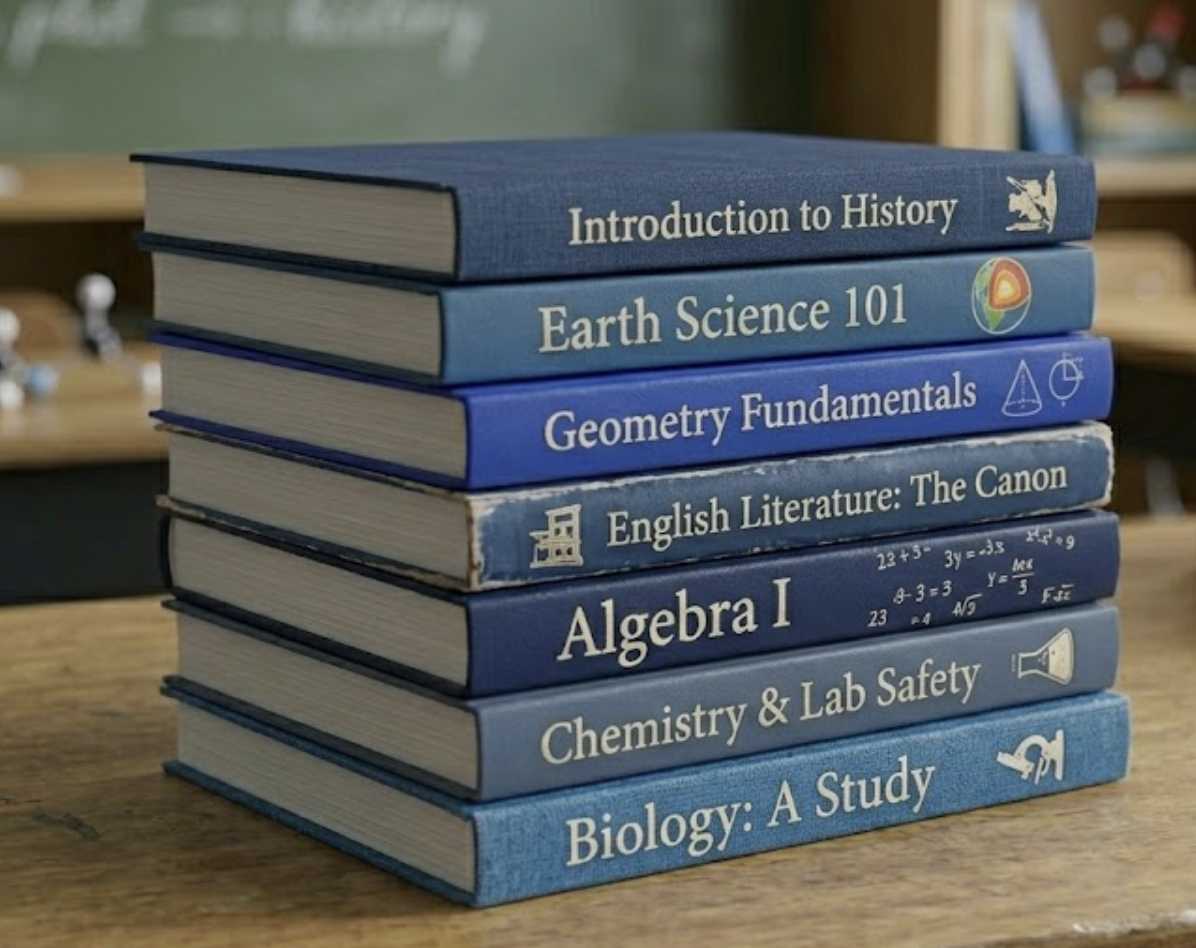
The introduction of the new Class 8 Social Science textbook by the National Council of Educational Research and Training (NCERT) has sparked a major national controversy, leading to a direct intervention by the Supreme Court of India. The dispute centers on a chapter titled “The Role of the Judiciary in Our Society,” which explicitly discusses corruption and massive backlogs within the legal system. In a swift and stern ruling this February, a three-judge bench headed by Chief Justice Surya Kant described the content as a “deep-rooted conspiracy” to malign the judiciary and ordered an immediate, nationwide blanket ban on the book’s distribution and digital dissemination.
The controversy highlights a significant breakdown in the vetting process for educational materials. Although the textbook development team included a lawyer, the specific sections addressing judicial corruption were never reviewed by an independent legal expert or any formal member of the legal fraternity. NCERT’s standard workflow involves multiple layers of review—from subject specialists to the National Syllabus and Teaching-Learning Material Committee (NSTC)—yet this sensitive material passed through every stage. Officials noted that the previous curriculum, which remained in use until 2024, did not mention corruption at all, marking a radical and ultimately problematic shift in how civic issues are presented to “impressionable minds.”
During the hearing, the Supreme Court expressed shock at the selective nature of the content. Chief Justice Surya Kant remarked that while the book highlights failures, it “washes away the illustrious history” of the courts and their role in protecting the constitutional fabric of the country. The Court was particularly irked by the lack of mention regarding legal aid initiatives or the judiciary’s role in upholding the basic structure doctrine. “They have fired a gunshot, and the judiciary is bleeding,” the CJI noted, emphasizing that teaching such a narrative to school children could erode public trust for generations.
In response to the judicial backlash, the Union government has moved into damage-control mode. Solicitor General Tushar Mehta tendered an unconditional and unqualified apology on behalf of the Ministry of Education, calling the inclusion of the text an “unpardonable mistake.” Union Education Minister Dharmendra Pradhan has since assured that strict action will be taken against those responsible for the draft, promising that “heads must roll.” NCERT has also issued an apology, categorizing the inclusion as an “error of judgment,” and has begun the process of retrieving the 2.25 lakh copies printed for the 2026 session.
The Supreme Court has issued show-cause notices for contempt to the Secretary of the Department of School Education and the NCERT Director, demanding a full inquiry into the drafting process. For now, all physical and digital copies of the textbook, titled Exploring Society: India and Beyond, must be seized and removed from public access. The chapter is expected to be entirely rewritten in consultation with legal authorities before a revised version is introduced for the next academic year.