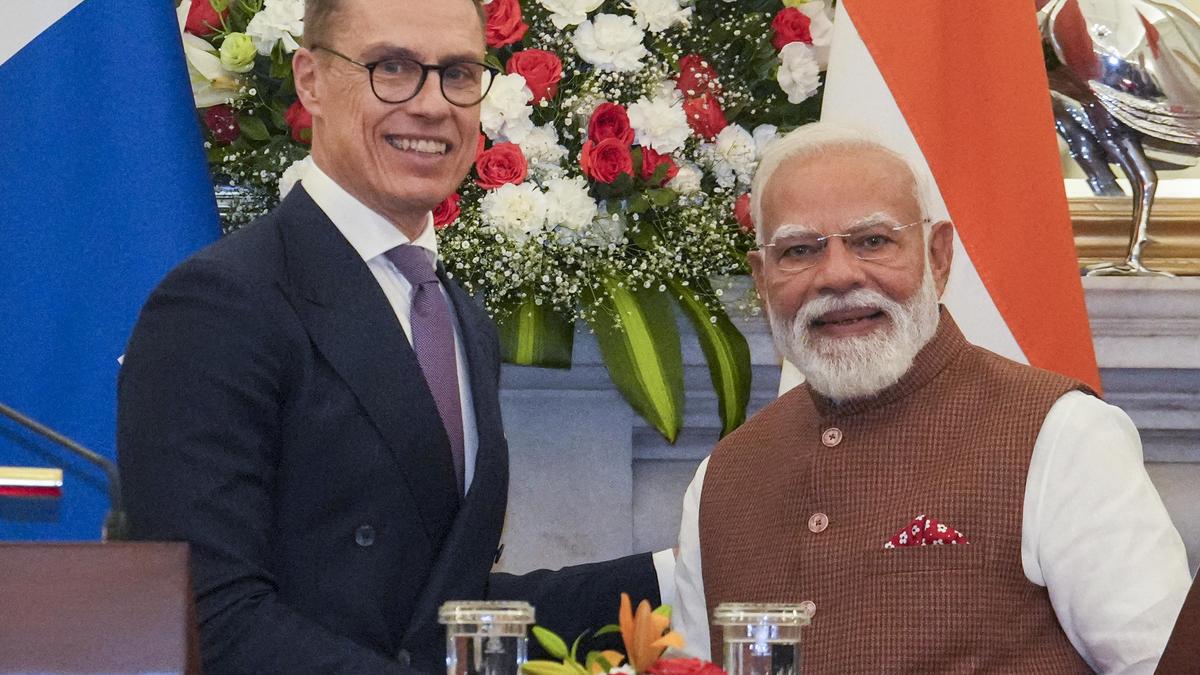
The meeting between Prime Minister Narendra Modi and Finnish President Alexander Stubb in New Delhi this week was intended to be a celebration of democratic partnership, but it quickly became a somber reflection on a world veering toward unbridled conflict. As the two leaders sat down on Thursday, the geopolitical landscape felt more fragile than it has in decades, punctuated by a series of high-stakes military strikes and the sudden leadership vacuum in Tehran.
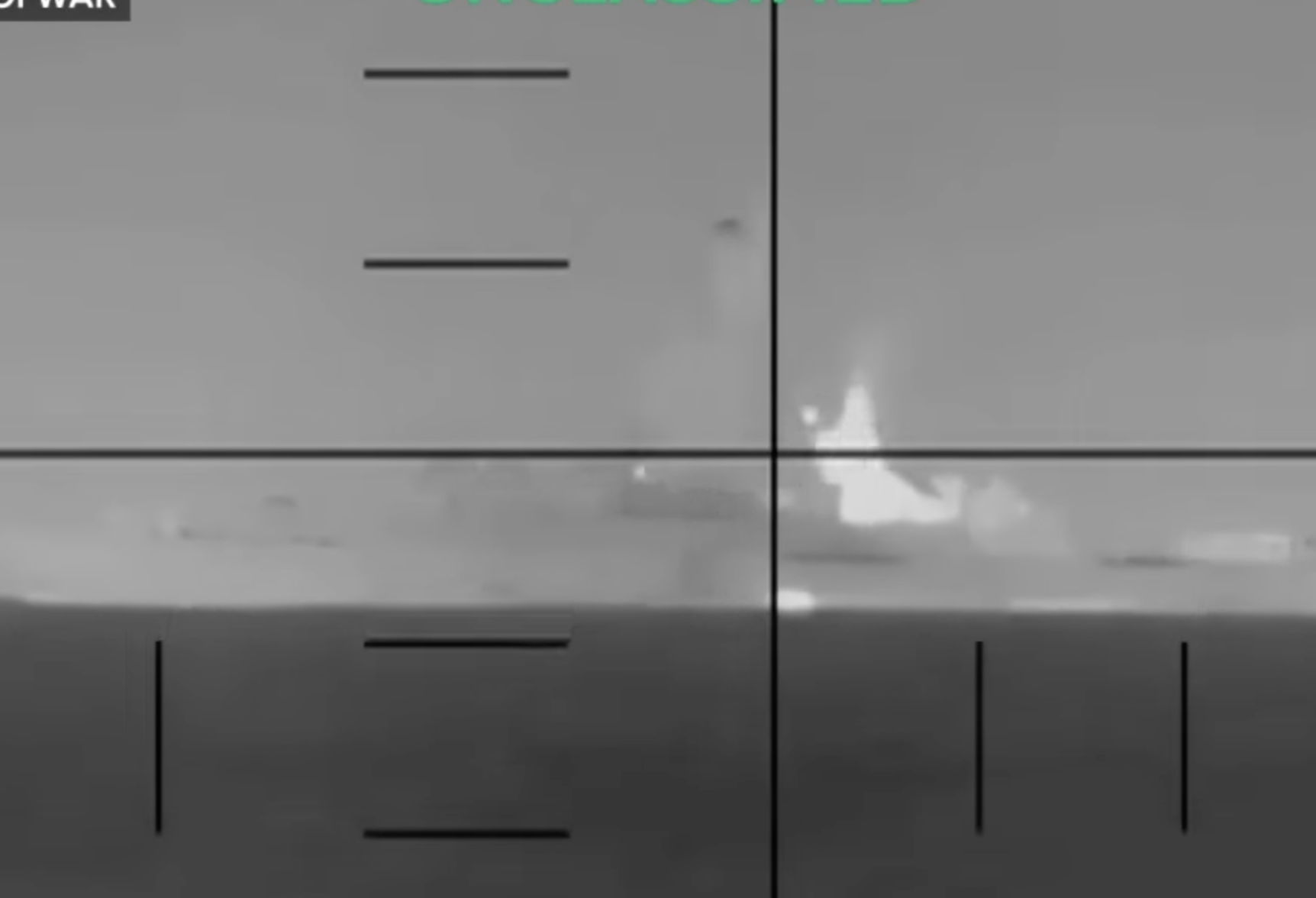
The most jarring backdrop to these talks was the confirmed sinking of the Iranian frigate IRIS Dena just off the coast of Sri Lanka. Reports indicate that a U.S. submarine targeted the vessel on Wednesday as it was returning from major naval exercises hosted by India. For New Delhi, this isn’t just a distant skirmish; the fact that an “enemy ship” was neutralized so close to Indian waters, having just participated in a friendly international fleet review, brings the volatility of the West Asian war uncomfortably close to home.
Prime Minister Modi used the joint platform to deliver a pointed message: military force is no substitute for the conference table. He was clear in his assessment that whether in the ongoing war in Ukraine or the rapidly expanding conflict in the Middle East, “armed confrontation is not the answer.” It was a call for a return to dialogue at a time when major powers seem increasingly committed to total military outcomes.
This stance places India in an incredibly delicate position. New Delhi is currently navigating a high-wire act, trying to maintain its long-standing energy and historical ties with Iran while managing a complex relationship with the United States. This task has become even more complicated following the death of Iran’s Supreme Leader, Ayatollah Ali Khamenei, who was reportedly killed in a joint U.S.-Israeli strike last weekend. In a sign of continued diplomatic respect despite the chaos, India’s Foreign Secretary Vikram Misri formally signed the condolence book at the Iranian Embassy this week.
President Stubb, for his part, seemed to appreciate the nuance of India’s position. Despite his own close ties with U.S. President Donald Trump, Stubb defended Modi’s “balanced and pragmatic” approach. He noted that India’s strategic autonomy is a necessary anchor in a world where global governance is struggling to keep up with reality. This sentiment was backed by Stubb’s firm endorsement of India as a permanent member of the UN Security Council—a move he described as essential for any modern international system.
Beyond the immediate crisis, the visit signaled a strategic pivot toward Europe. With trade tensions occasionally flaring with Washington, India is aggressively courting European partners to diversify its economic interests. The discussions touched on everything from clean energy to semiconductors, with both leaders looking to insulate their economies from the supply chain shocks that a wider war in the Strait of Hormuz would inevitably trigger.
As President Stubb moves on to the Raisina Dialogue, the takeaway from this summit is one of cautious resolve. While the sounds of conflict are growing louder in the Indian Ocean, the leaders in New Delhi are making a desperate, diplomatic plea for the world to pull back from the brink before the economic and human costs become irreparable.