
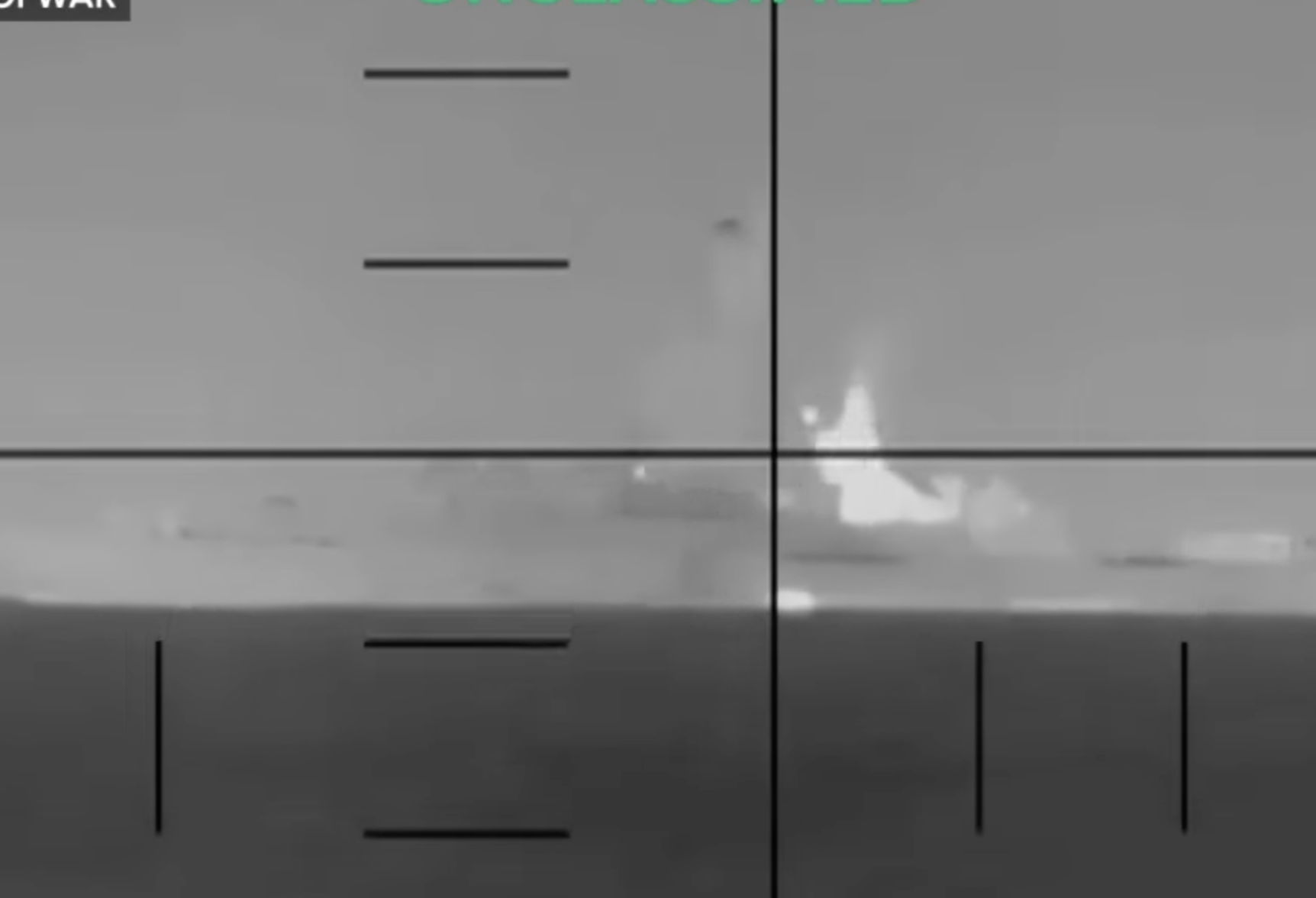
The Indian Ocean, long considered a stable corridor for global trade, has been thrust into the center of a burgeoning international conflict following a dramatic naval engagement. In a move that has stunned military observers, a United States submarine torpedoed and sank the Iranian frigate IRIS Dena off the southern coast of Sri Lanka on Wednesday, marking a significant expansion of the ongoing hostilities between Washington and Tehran.
A “Quiet Death” at Sea
The incident occurred roughly 40 nautical miles from the Sri Lankan port of Galle. According to U.S. Defense Secretary Pete Hegseth, the strike was executed by a nuclear-powered submarine using a Mark 48 heavyweight torpedo. Hegseth described the operation as a “quiet death” and noted that this was the first time an American submarine had sunk an enemy vessel with a torpedo since World War II.
Pentagon officials justified the attack by stating that the Iranian vessel had been identified as a potential threat within the context of the broader U.S.-Israeli military campaign against Iran, which began late last month. They maintained that the strike was necessary to protect American interests and assets in the region.
The Human Cost and Rescue Efforts
The aftermath of the explosion has been devastating. The Sri Lankan Navy, acting under international maritime search-and-rescue obligations, launched an immediate mission after receiving a distress call at approximately 5:08 a.m. local time.
- Casualties: Sri Lankan authorities have recovered 87 bodies from the water so far.
- Survivors: 32 sailors were rescued and are currently receiving treatment at a hospital in Galle; many are reported to be in critical condition.
- Missing: With an estimated 180 personnel originally on board, roughly 60 crew members remain unaccounted for.
By the time rescue vessels reached the scene, the IRIS Dena—a Moudge-class frigate and one of the newest jewels of the Iranian fleet—had already disappeared beneath the waves, leaving behind only life rafts and a massive oil slick.
Diplomatic Ripples and Regional Impact
What makes this encounter particularly sensitive is the timing and location. The IRIS Dena was transiting back to Iran after participating in MILAN 2026, a major multilateral naval exercise hosted by India in Visakhapatnam. The fact that a guest of an international fleet review was targeted shortly after departure has placed regional powers in a difficult diplomatic position.
Iran’s Foreign Minister, Abbas Araghchi, condemned the strike, asserting that the ship was in international waters and posed no imminent threat. He warned that the United States would “bitterly regret” the precedent set by this attack. Meanwhile, the Indian government has maintained a cautious silence, even as domestic political critics question the security of India’s “backyard.”
The Strategic Outlook
Security analysts warn that the Indian Ocean is no longer just a backdrop for trade; it is now a front line. As the conflict between the U.S.-Israeli coalition and Iran spills out of the Persian Gulf, the safety of global shipping routes—specifically those carrying 40% of India’s oil and gas—is under increasing scrutiny.
For now, the international community is holding its breath. The sinking of the IRIS Dena isn’t just a loss of a ship; it is a signal that the rules of engagement in these strategic waters have fundamentally shifted.