The escalation of conflict in West Asia has pushed India into a proactive “energy defense” mode, as the standoff between Iran, Israel, and the United States begins to squeeze global supply chains. In a high-stakes review held on Tuesday, Prime Minister Narendra Modi met with Petroleum Minister Hardeep Singh Puri and External Affairs Minister S. Jaishankar to outline a strategy to shield Indian households from a potential fuel crisis.
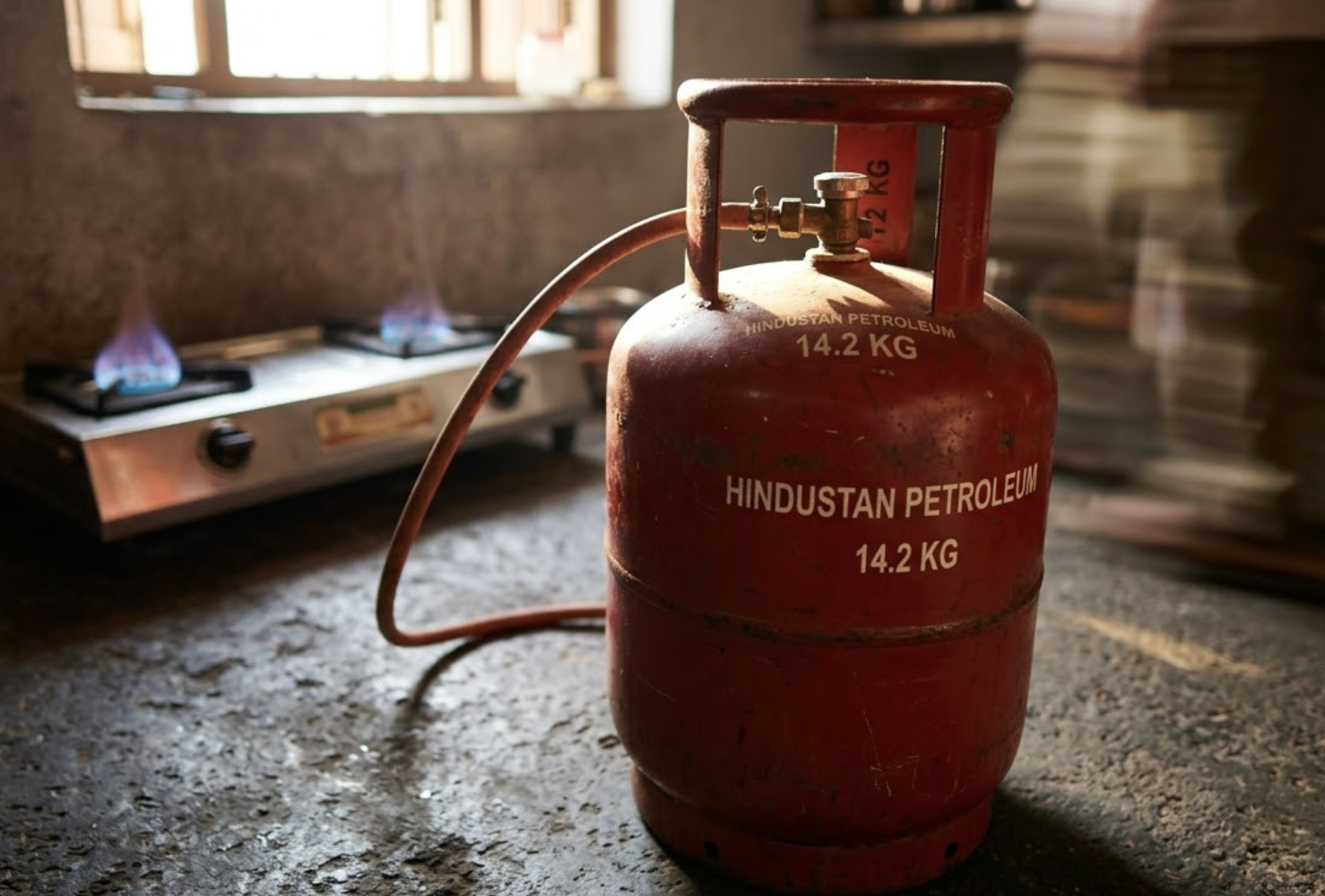
The heart of the concern lies in the Strait of Hormuz, a vital maritime artery that has been effectively paralyzed by recent military movements. This narrow passage is the primary highway for the world’s energy trade, and for India, the stakes are domestic. The country consumes roughly 31.3 million tonnes of Liquefied Petroleum Gas (LPG) annually, with about 62% of that supply arriving from overseas. Because nearly 90% of those imports typically navigate through this specific chokepoint, the current blockage represents a direct threat to the national kitchen table.
In response, the government has moved to a “priority-first” distribution model. Since domestic households account for 87% of total usage, the Center has signaled that protecting the common citizen is the non-negotiable goal. To prevent panic buying and the rise of black-market activities, the Ministry of Petroleum has extended the mandatory booking gap for domestic refills from 21 days to 25 days. This cooling-off period is designed to manage existing stocks carefully while authorities scramble to secure alternative supply routes.
While households are being shielded, the commercial sector is already feeling the heat. In urban hubs like Mumbai and Bengaluru, the hospitality industry is sounding the alarm as market-priced cylinders become increasingly scarce. To mitigate a total shutdown of essential services, a specialized triage committee—composed of Executive Directors from the nation’s major oil marketing companies—has been formed. This panel will vet requests from industries based on urgency, ensuring that hospitals and educational facilities remain at the front of the line.
On the production side, Indian refineries have been ordered to pivot. In an “all hands on deck” approach, facilities are temporarily scaling back their petrochemical output to maximize the production of LPG. While Hindustan Petroleum (HPCL) has acknowledged the strain, the official message remains one of cautious stability. The government’s focus is clear: navigating the most volatile energy market in recent memory by putting the needs of the Indian home above all else.