The ongoing tensions in West Asia involving Iran, Israel and the United States are beginning to ripple through global energy markets, placing countries heavily dependent on oil imports under growing pressure. For India, the world’s third-largest consumer of crude oil, the situation is more than just a geopolitical development — it is a potential challenge to the country’s energy security and economic stability.
At the centre of the concern is the Strait of Hormuz, a narrow but extremely important sea passage connecting the Persian Gulf with the global oil market. Nearly one-fifth of the world’s crude oil supply travels through this route. Any disruption here can quickly shake international energy markets, and recent military exchanges in the region have already raised fears of slowed or restricted tanker movement.
Reports from the shipping sector indicate that commercial traffic in the region has become increasingly cautious. Tanker operators are facing rising insurance costs and security concerns, forcing several vessels to delay their journey through the waterway. For Indian refiners, the impact could be significant because a large portion of the country’s crude imports from Gulf nations typically passes through this corridor.
As uncertainty grows around supplies from the Gulf, India has started adjusting its import strategy. One of the most noticeable shifts has been the increased purchase of oil from Russia. Indian refiners have significantly raised their intake of Russian crude in recent weeks, using these shipments as an alternative source to stabilise supply while tensions remain high in West Asia.
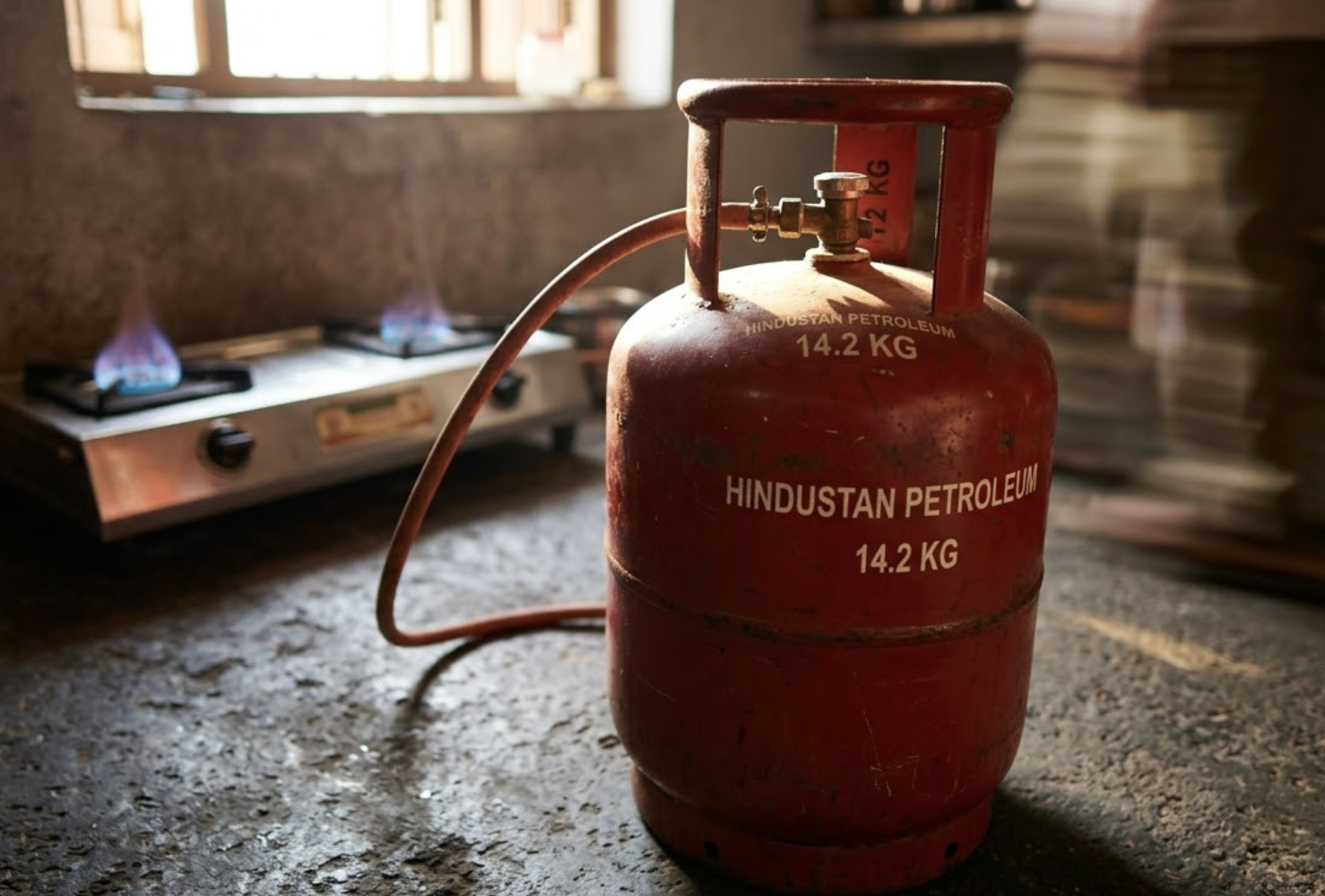
However, crude oil is only part of the larger picture. Another area that experts are closely watching is liquefied petroleum gas, or LPG, which is widely used as cooking fuel in Indian households. India depends heavily on Gulf countries for LPG imports, and replacing these supplies at short notice could prove more difficult than sourcing crude oil from other markets. Any disruption in LPG shipments could eventually affect domestic supply chains and lead to higher prices for consumers.
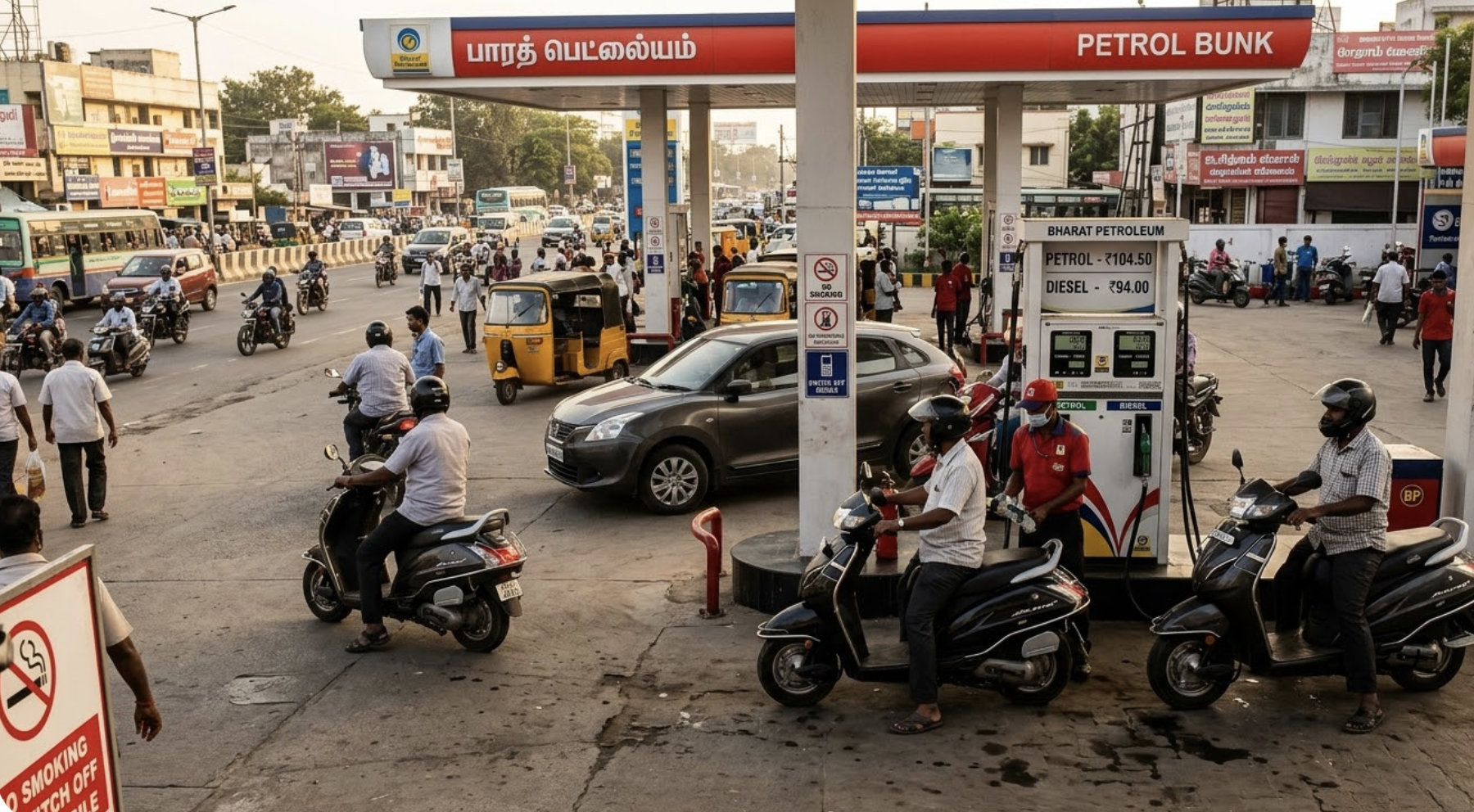
The economic implications of rising oil prices are also a major concern. When global crude prices climb sharply, the effects are felt across transportation, manufacturing and household expenses. Higher import costs can widen India’s trade deficit and add pressure on inflation, making it more challenging for policymakers to maintain economic stability.
For now, the Indian government is closely monitoring developments. Officials have indicated that the country’s strategic petroleum reserves could help manage short-term supply shocks if the situation escalates further. At the same time, India continues to diversify its energy sources and import partners in order to reduce dependence on any single region.
The developments in West Asia underline how closely global energy markets are tied to geopolitical stability. For India, which relies on imported fuel to power its economy, the coming weeks will be crucial. Much will depend on how the situation between Iran, Israel and the United States unfolds, and whether the vital shipping routes of the region remain open and secure.