
The arrival of the Indian-flagged LPG tanker Shivalik at Mundra Port this Monday has pulled back the curtain on a high-stakes diplomatic standoff in the Persian Gulf. While the vessel’s successful navigation of the Strait of Hormuz was initially seen as a routine victory for maritime safety, new reports suggest its passage—and that of the Mumbai-bound Nanda Devi—is part of a complex “quid pro quo” negotiation between New Delhi and Tehran.
In a move that has added a layer of geopolitical tension to India’s energy crisis, Tehran has reportedly linked the safe passage of Indian vessels to the return of three tankers currently detained by Indian authorities. The Iranian Ambassador to New Delhi met with officials from the Ministry of External Affairs on Monday to seek the release of the Asphalt Star, Al Jafzia, and the Iranian-flagged Stellar Ruby. These ships were seized by the Indian Coast Guard in February on allegations of identity concealment and involvement in illegal ship-to-ship transfers. Beyond the ships, Tehran has also requested the supply of critical medicines and medical equipment as part of the deal.
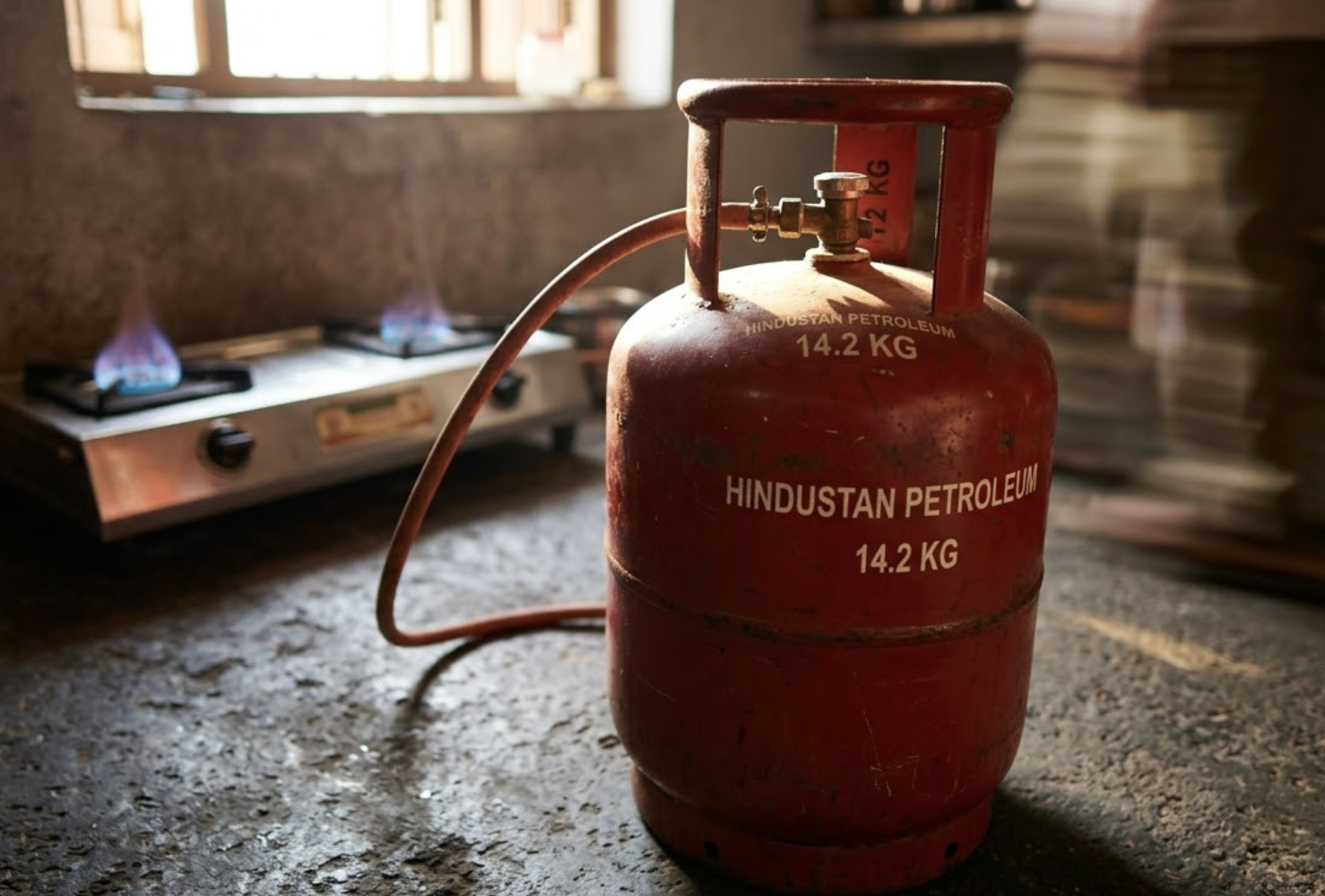
For India, the stakes are domestic as much as they are diplomatic. The Shivalik and Nanda Devi are delivering a combined 92,700 metric tonnes of LPG, a vital supply for more than 33 crore households. With the Strait of Hormuz effectively closed following recent U.S. and Israeli strikes on Iran, India is racing to extract its remaining fleet. Currently, 22 Indian-flagged vessels and 611 seafarers remain West of the Strait, essentially held in a strategic limbo while the two nations negotiate.
Publicly, New Delhi is maintaining a delicate balance. External Affairs Minister S. Jaishankar has noted that direct “reasoning and coordination” with Tehran is yielding results, but officials have been careful to avoid calling it a formal swap. However, the reality on the water suggests a “case-by-case” arrangement where each Indian tanker’s freedom may be tied to a specific concession.
As the Shivalik begins discharging its cargo, providing roughly two days of national import cover, the government is also fighting a battle against public anxiety. Despite a 28 percent surge in domestic LPG production, fears of a shortage have triggered widespread “panic buying.” For now, the successful docking of the Shivalik offers a temporary reprieve, but the future of the dozens of ships and hundreds of sailors still in the Gulf remains tethered to these sensitive, ongoing negotiations between New Delhi and Tehran.