Tensions in Manipur have flared up once again following the arrest of Asem Kanan Singh, a prominent figure in the Meitei outfit Arambai Tenggol. Singh, who is referred to as the group’s “army chief,” was detained by the CBI at Imphal airport and taken to Guwahati in connection with several serious charges, including incidents linked to the 2023 ethnic violence and a more recent case—the abduction of an Additional Superintendent of Police in February 2024.
The arrest immediately triggered public protests in the Imphal Valley, prompting authorities to shut down internet services in a bid to prevent further unrest. The development has reignited focus on Arambai Tenggol, an organisation that has played a highly controversial and increasingly visible role in Manipur’s ongoing ethnic conflict.
Initially launched in 2020 as a socio-cultural outfit, Arambai Tenggol transitioned quickly into a more assertive force following the violent clashes that broke out between the Meitei and Kuki communities in May 2023. With a name that evokes Meitei warrior heritage—literally translating to “spear wielders”—the group has grown in size and influence, boasting an armed cadre of roughly 2,000 and thousands of civilian volunteers across the valley.
The group’s rise coincided with a broader collapse of trust in state institutions, particularly among the Meitei community. Accusations of bias within the police force, deepening segregation between Meitei and Kuki populations, and an overall breakdown in governance created space for organisations like Arambai Tenggol to step in as de facto protectors of local communities.
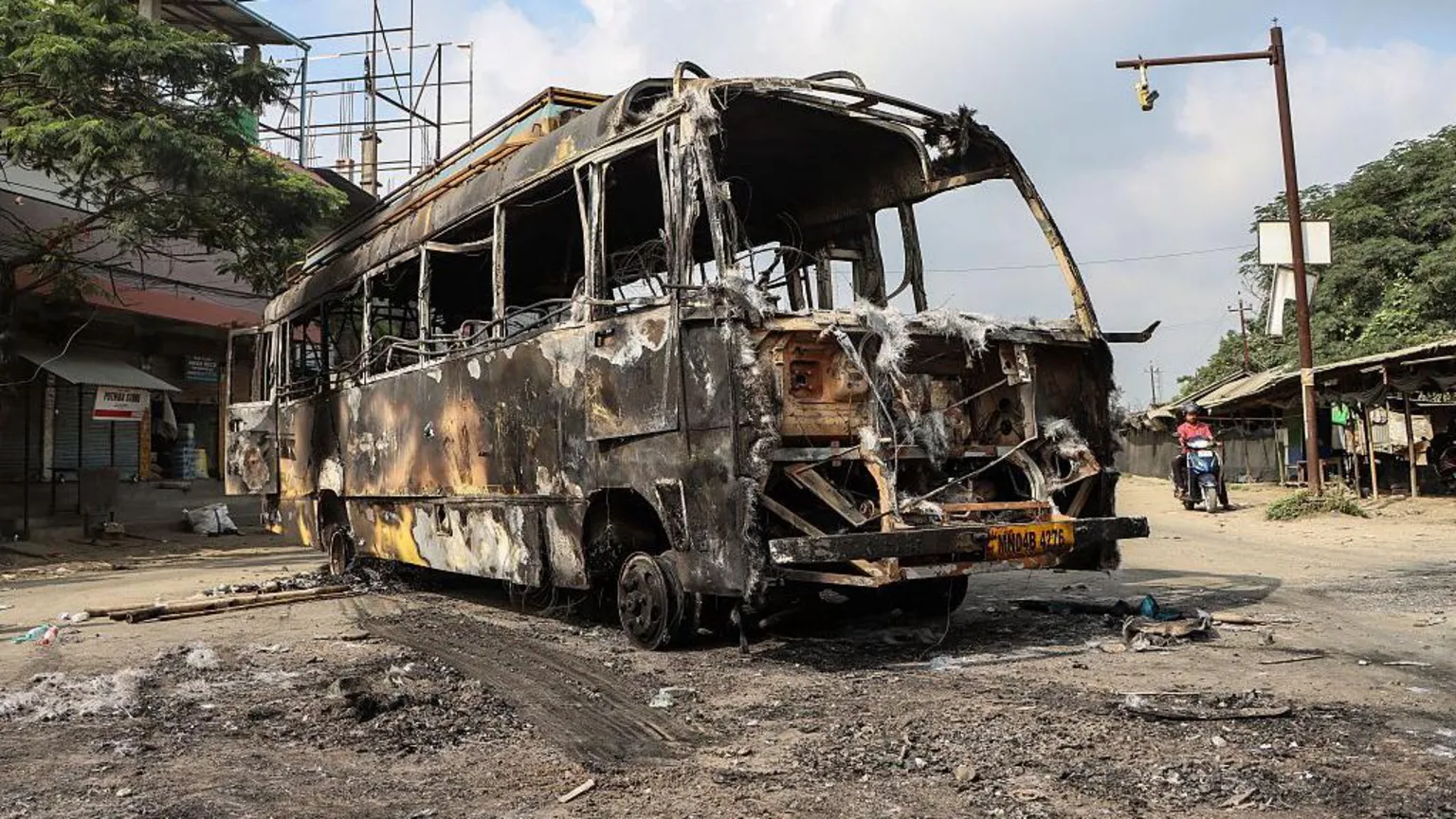
By mid-2023, the group was no longer operating in the shadows. Its members were visible on the ground during clashes, often accused of seizing weapons from state armouries and leading retaliatory strikes against Kuki villages. FIRs filed during the initial phase of the violence frequently cited the group, while Kuki organisations held them responsible for arson and targeted killings. The police were widely criticised for either looking away or lacking the capacity to intervene.
Arambai Tenggol’s influence has extended beyond the streets and into the political corridors of the state. In early 2024, over 30 legislators—including MPs from both Houses and ministers from rival parties—attended a meeting in Imphal called at the group’s behest. Even Chief Minister N. Biren Singh later put his signature on a document listing the group’s demands. The event sparked controversy, with Congress leaders later alleging they were manhandled during the gathering.
The organisation has strategically aligned itself with symbols of ethnic pride and heritage. Members are typically dressed in black shirts emblazoned with red images of Meitei cavalry, while the seven-colored Salai Taret flag—a nod to the seven clans of the Meitei people—is a regular feature at their gatherings. On social media and in public speeches, the group’s rhetoric often leans on appeals to preserve Sanamahism, Meitei identity, and historical glory.
Photographs of key political figures like Rajya Sabha MP Leishemba Sanajaoba—the symbolic king of Manipur—posing with group leaders have only reinforced its growing stature. At one point, Sanajaoba even addressed a crowd of Arambai Tenggol members, urging them to stay “ready to defend the land,” even though the group had publicly surrendered some arms earlier in the year. Security sources, however, believe that its claim of disbandment in May 2023 was a strategic move to operate under the radar.
Despite the arrest of its leader, Arambai Tenggol’s future remains far from uncertain. The group continues to command significant support in the valley, both among the public and elements within the security apparatus. The ongoing volatility in Manipur means its influence is unlikely to wane soon—and for now, it remains one of the most powerful and polarising players in the state’s deeply fractured landscape.