WASHINGTON / TEL AVIV / TEHRAN — February 28, 2026
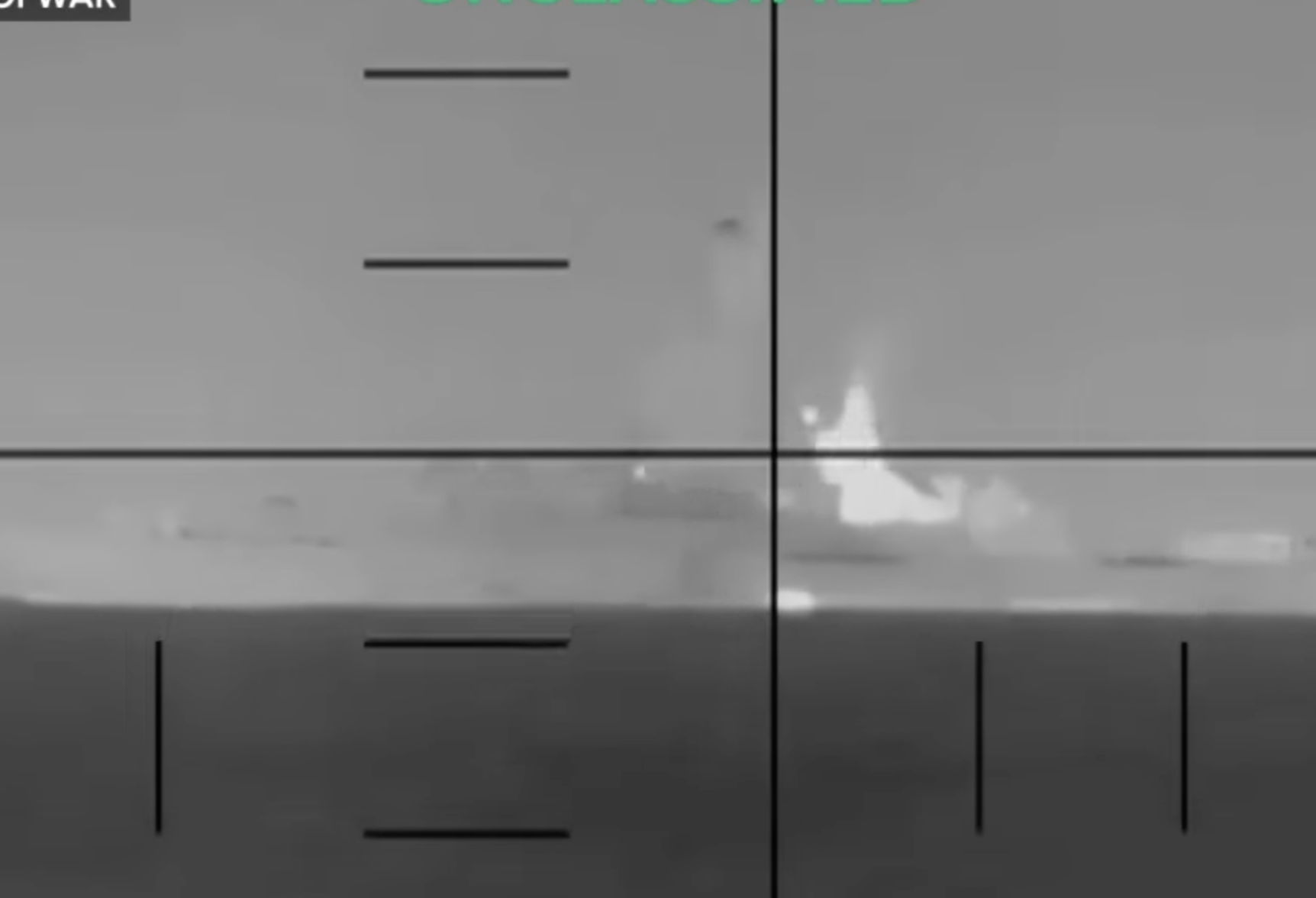
The United States and Israel launched sweeping joint military strikes against Iran early Saturday morning in an operation the Pentagon has officially named Operation Epic Fury — a move that marks the most significant direct military confrontation between Western powers and the Islamic Republic in history.
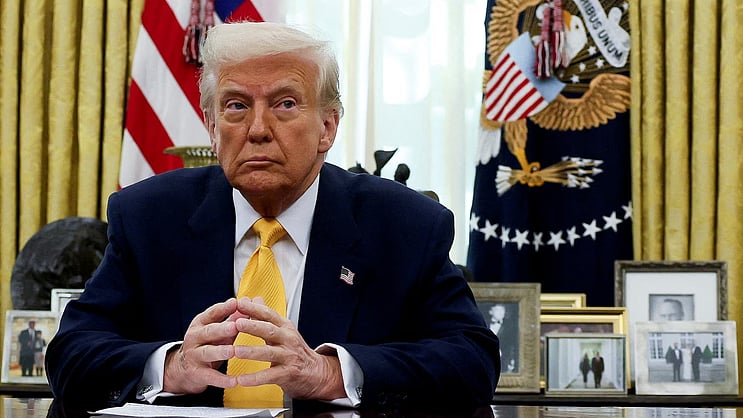
President Donald Trump announced the operation in an eight-minute video posted to Truth Social, declaring that “The United States military began major combat operations in Iran. Our objective is to defend the American people by eliminating imminent threats from the Iranian regime.”
Israeli Prime Minister Benjamin Netanyahu framed the strikes in equally stark terms. “Our joint action will create the conditions for the brave Iranian people to take their destiny into their own hands,” he said, describing the operation’s goal as removing the “existential threat posed by the terrorist regime in Iran.”
What’s Being Targeted
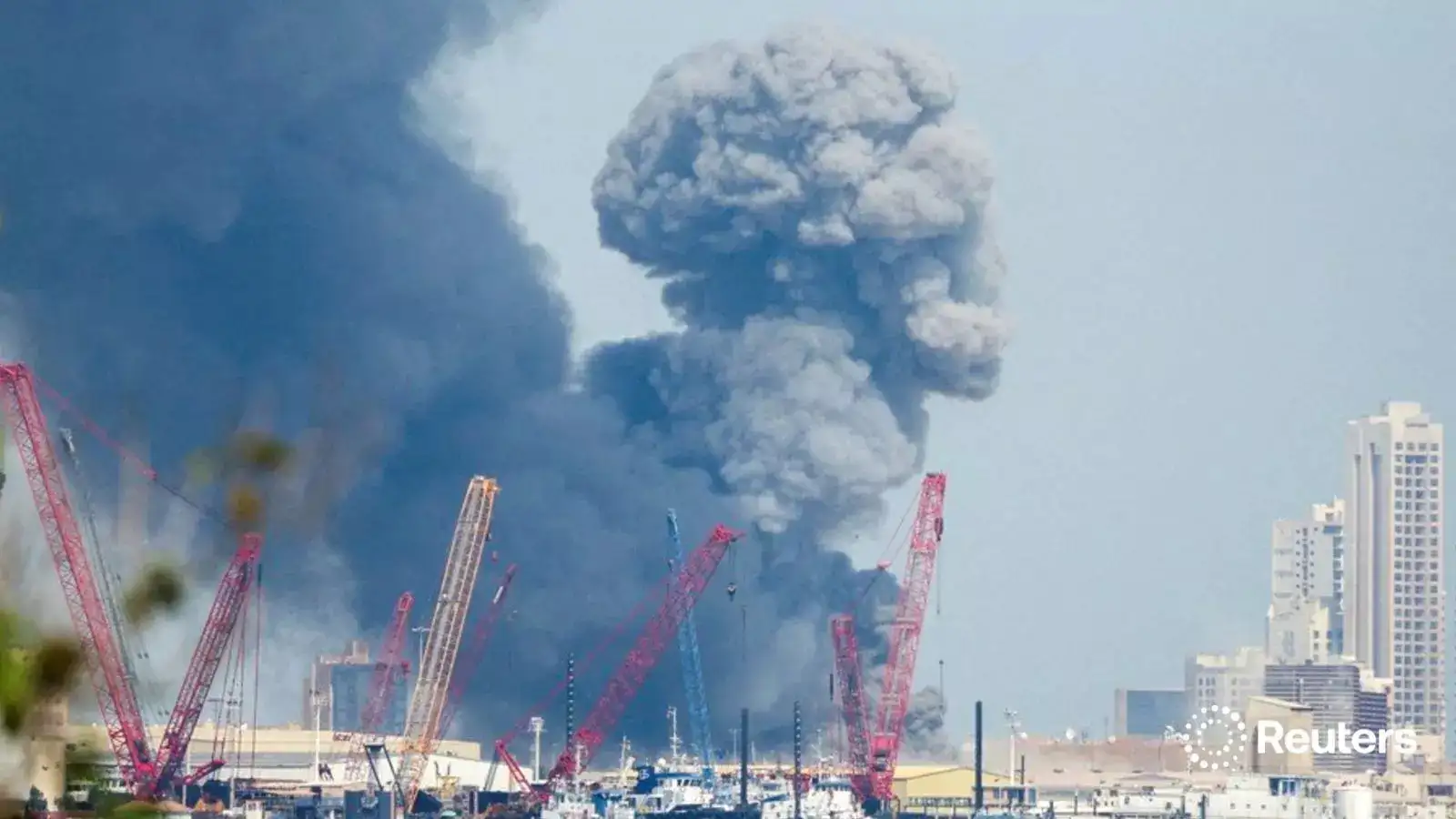
The operation began with a series of strikes against locations in Tehran, Isfahan, Qom, Karaj, and Kermanshah. The first wave of strikes mainly targeted Iranian officials. Several missiles struck University Street and the Jomhouri area in Tehran, and close to Iran’s IRGC headquarters. The Associated Press reported that a strike occurred near the offices of Supreme Leader Ayatollah Ali Khamenei.
Iran’s Defence Minister Amir Nasirzadeh and Revolutionary Guards commander Mohammed Pakpour were killed in Israeli attacks, according to three sources familiar with the matter. Reports indicate that Khamenei was moved to a secure location during the strikes.
Israel’s military said its fighter jets were striking “dozens of military targets” with “full synchronization and coordination” following months of joint planning, with Israel focusing on Iran’s missile program. Trump was blunt about the scope: “We are going to destroy their missiles and raze their missile industry to the ground.”
Iran Strikes Back
Tehran retaliated swiftly. Iran launched dozens of ballistic missiles across the Middle East, targeting Israel and U.S. military bases in Jordan, Syria, Kuwait, Bahrain, Qatar, Saudi Arabia, and the UAE. The Houthis announced they would resume attacks in the Red Sea.
There are no reported American casualties from Iran’s retaliatory strikes against U.S. military facilities, though there was damage to infrastructure in Bahrain after Iran struck the Fifth Fleet. The Israeli-U.S. strike killed at least 40 at a girls’ school in southern Iran and wounded at least 45 others, according to Iran’s state-run news agency IRNA.
Iran’s Foreign Ministry vowed a “decisive and definitive” response, calling the attacks a violation of the U.N. Charter and warning that its armed forces “will not hesitate” to defend the country.
Airspace Chaos Across the Region
Iran’s airspace was largely empty of civilian aircraft following the strikes as regional states closed airspace. Iraq, Kuwait, Bahrain, Qatar, and UAE closed their airspaces. Airlines including Air India, IndiGo, Lufthansa, Wizz Air, and Virgin Atlantic suspended Middle East services through at least March 7. Israel closed its airspace to all passenger flights and activated civil defense protocols.
The Diplomatic Failure That Preceded It
The strikes came just days after a last-ditch diplomatic effort collapsed. On February 27, Oman’s Foreign Minister Badr Al-Busaidi said a “breakthrough” had been reached in which Iran agreed to never stockpile enriched uranium and to full IAEA verification — calling peace “within reach.” That window closed within 24 hours.
Oman’s Foreign Minister later said that active negotiations mediated by his country were “yet again undermined” amid the ongoing escalation, and urged the U.S. “not to get sucked in further.”
Global Reaction: Divided and Alarmed
The international response split sharply along familiar geopolitical lines.
Russian Security Council Deputy Chairman Dmitry Medvedev accused Washington of using negotiations with Iran as a “cover operation.” French President Emmanuel Macron warned that the “outbreak of war between the United States, Israel and Iran” would carry “grave consequences for international peace and security” and called for an immediate halt to escalation. Spain’s Prime Minister Pedro Sánchez rejected the military action, stating it creates “a more hostile international order,” while the UK said it does “not want to see further escalation into a wider regional conflict.”
At home, the operation drew an unusual domestic fracture. Some Republicans voiced concerns about the lack of Congressional authorization, with Rep. Thomas Massie calling it an act of war “unauthorized by Congress.” On the other side, Senator Lindsey Graham praised Trump, saying the operation was “making America more safe.”
What Comes Next
U.S. military operations are expected to continue for several days. Iran is reportedly planning significant further retaliation. Netanyahu said the operation “will continue as long as necessary.”
Officials, aid groups, and world leaders are warning the confrontation could spill beyond its initial targets, drawing in more countries and destabilizing a region already on edge. The ICRC president said the military escalation was “igniting a dangerous chain reaction across the region, with potentially devastating consequences for civilians.”
Oil markets surged and global equities fell as the world braced for what may become a prolonged and unpredictable confrontation.
Facts sourced from NPR, NBC News, Al Jazeera, Reuters, AP, and Fox News as of February 28, 2026.