The volatile landscape of West Asian aviation is finally showing signs of stabilization. After a period of intense disruption that saw regional airspaces shuttered and thousands of travelers stranded, airlines have begun the delicate process of resuming flight operations between India and the Middle East. The crisis, which peaked following drone strikes on the US Embassy in Riyadh and subsequent retaliatory actions involving Iran, Israel, and the US, forced a massive rerouting of global flight paths. However, as the immediate security threat levels undergo a phased reassessment, the focus has shifted from total suspension to strategic recovery.
Airlines Pivot to Relief and Recovery
The resumption is not yet a “return to business as usual,” but rather a prioritized effort to clear the backlog of displaced passengers. Carriers are balancing the need for connectivity with the absolute priority of crew and passenger safety. IndiGo has taken a lead in the recovery phase, confirming the restart of flights to critical hubs in Saudi Arabia and Oman. To address the surge in stranded travelers, the airline orchestrated 10 dedicated relief flights on March 3, connecting Jeddah to major Indian gateways including Mumbai, Delhi, Ahmedabad, and Hyderabad.
The Air India Group has adopted a bifurcated strategy. While direct West Asia services faced a temporary pause through early March, the national carrier successfully maintained its long-haul connectivity to North America and Europe by utilizing alternative, safer flight corridors. A significant milestone in the recovery effort saw flight AI916D returning 149 passengers from Dubai to Delhi, following the safe extraction of over 140 crew members who had been stationed in the UAE during the height of the tension.
Other regional players are following suit:
- Air India Express has restored its Muscat route, though it maintains a cautious “wait-and-see” approach for Bahrain, Kuwait, and Qatar.
- Etihad and Emirates have both scheduled a series of relief operations to bridge the gap between Abu Dhabi/Dubai and Indian metros like Kochi, Bengaluru, and Chennai.
- Akasa Air remains the most conservative, keeping its services to Qatar and Saudi Arabia suspended until a full security clearance is issued.
Turbulence at the Terminals
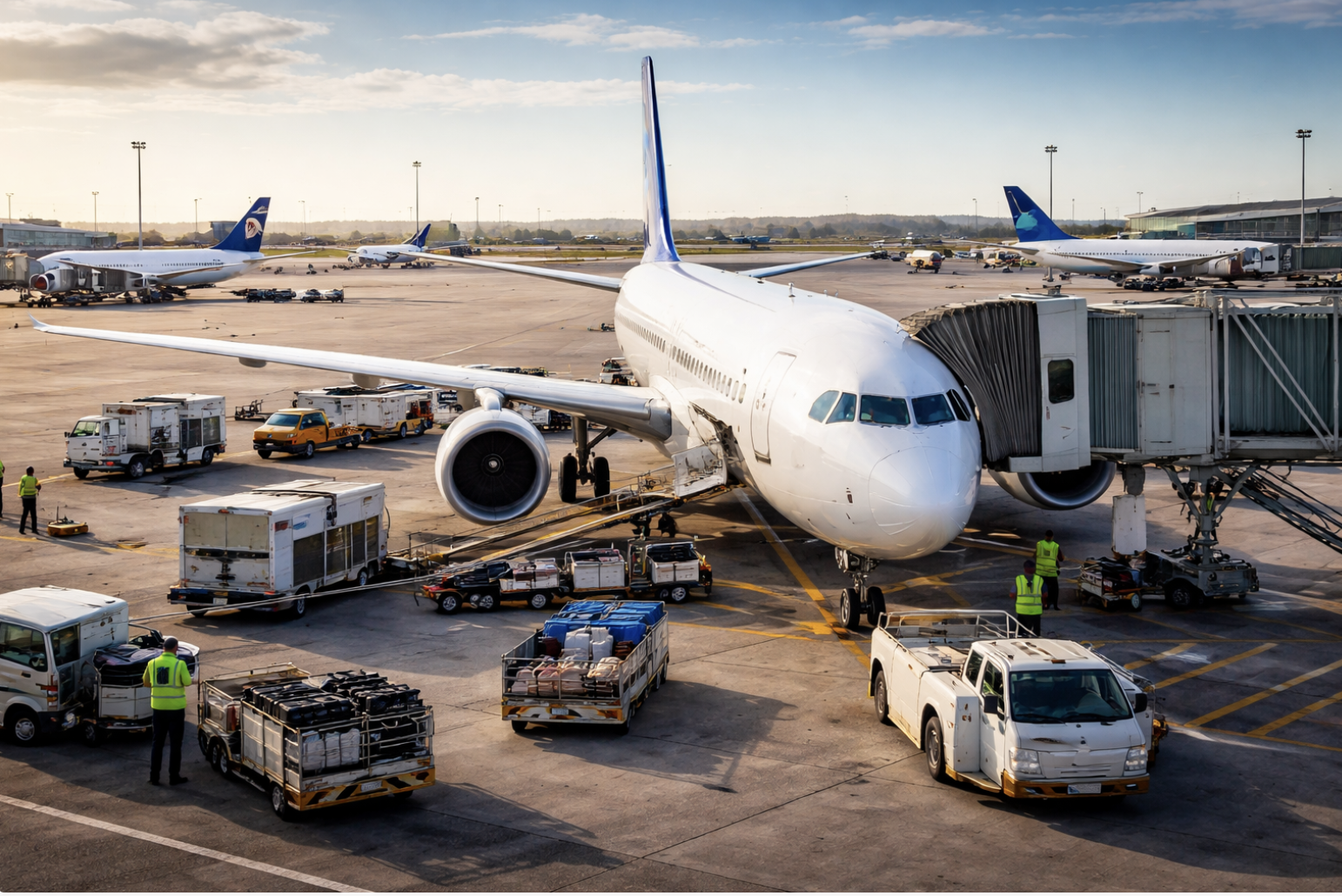
Despite the resumption of select flights, the ground reality at Indian airports remains challenging. The ripple effect of days of cancellations has created a logistical bottleneck that will take time to clear. At Delhi’s Indira Gandhi International Airport, the board remains peppered with “Cancelled” or “Delayed” status updates. Airport officials have warned that even as flights resume, “westbound” international travel may continue to see significant schedule adjustments. The necessity of avoiding certain airspaces means longer flight times and, in some cases, technical stops for refueling, which further complicates the arrival and departure slots.
Southern hubs like Bengaluru and Kochi—which serve as primary lifelines for the Indian diaspora in the Gulf—have reported over 50 combined cancellations in the last 48 hours alone. Security concerns cited by international carriers like Qatar Airways and Air Arabia have led to a temporary vacuum in service that relief flights are only beginning to fill.
Navigating an Evolving Situation
For travelers, the message from authorities is clear: Verify before you travel. The fluid nature of Middle Eastern geopolitics means that flight statuses can change within minutes. Passengers are urged to use real-time tracking apps and maintain direct contact with airline help desks rather than relying on static schedules.
While the “easing” of tensions is a welcome development, the aviation industry remains on high alert. The transition from relief flights to a full commercial schedule will be dictated by regional stability and the reopening of traditional air corridors. For now, the focus remains on getting people home safely, one flight at a time.