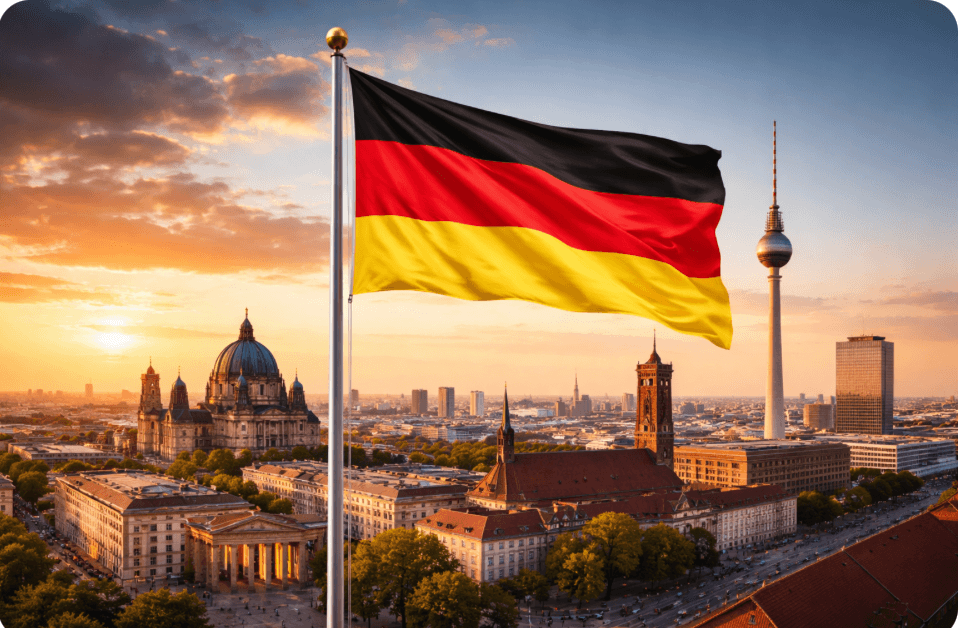
Germany is currently navigating a demographic crossroads that is no longer a forecast—it is a daily reality for its industries. As of early 2026, the nation holds the title for the oldest working population in the European Union, with nearly a quarter of its workforce aged between 55 and 64. With the “baby boomer” generation entering retirement at a record pace, the backbone of Europe’s largest economy is thinning, leaving a vacuum that local birth rates simply cannot fill. Recent data highlights the urgency: to keep its economic engine running, Germany must integrate approximately 288,000 new foreign workers every single year. Without this influx, the labor pool is projected to contract by 10% by 2040, a shift that would stall production and strain social systems.
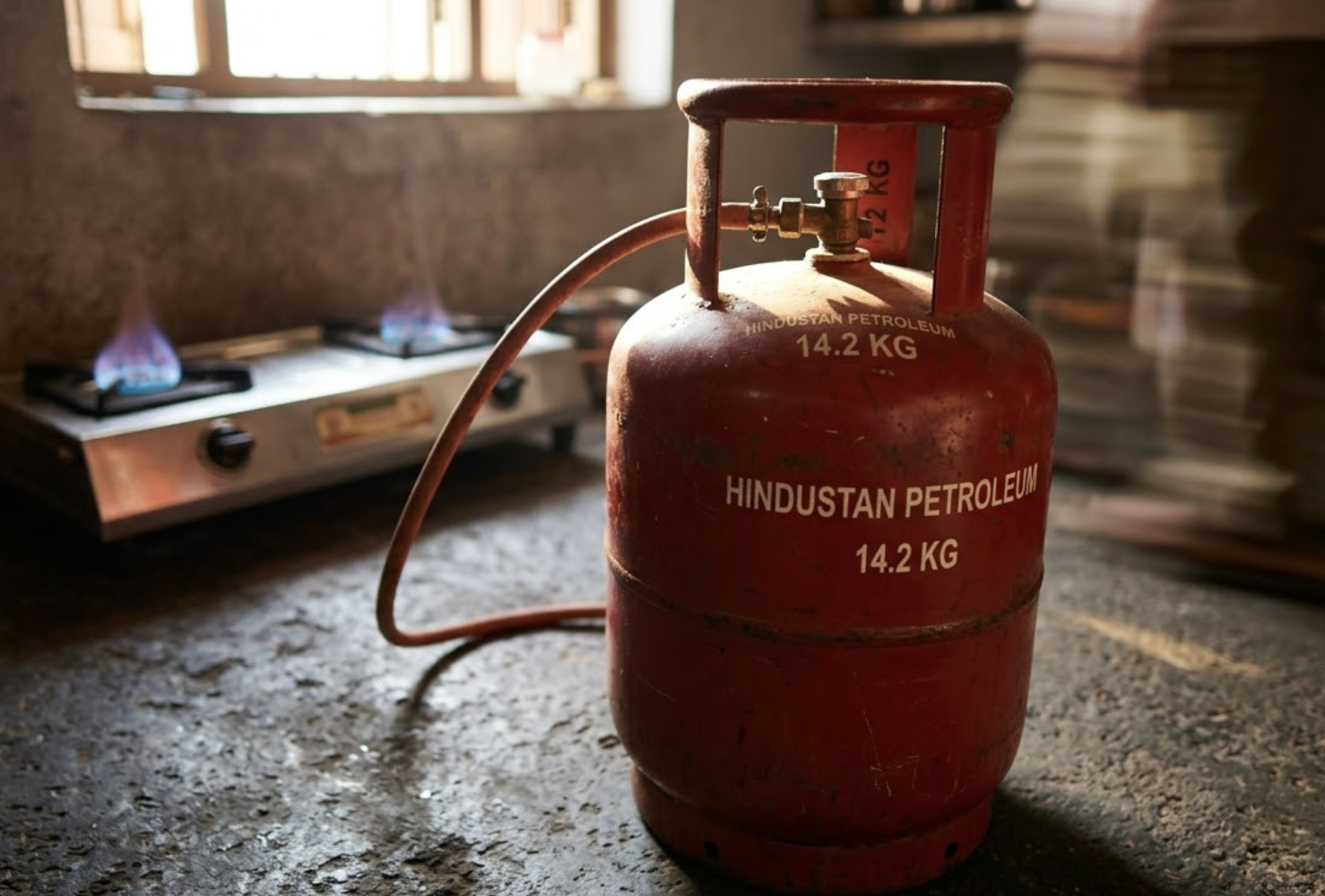
While Germany faces a “silver tsunami” of retirees, India sits at the opposite end of the spectrum. With over 600 million people under the age of 25, India possesses a massive, energetic labor surplus. However, domestic job creation has struggled to keep pace with the millions of young adults entering the Indian workforce annually. This creates a natural synergy: Germany has the vacancies, and India has the talent. This collaboration has matured far beyond recruiting IT specialists. Today, a structured “vocational pipeline” is bringing young Indians into the heart of German craftsmanship. From the industrial zones of North Rhine-Westphalia to the bakeries of the Black Forest, Indian apprentices are filling roles in traditional trades like butchery and baking, as well as technical sectors like robotics and renewable energy.
The momentum behind this shift is fueled by significant policy changes. The 2022 Migration and Mobility Partnership Agreement paved the way, but 2024 marked the real turning point when Germany tripled its annual skilled worker visa quota for Indians from 20,000 to 90,000. By 2026, the results are undeniable—the number of Indian professionals in Germany has surged, becoming a vital pillar of the local economy. For many young Indians, the move is a calculated leap toward a more stable future. Recent studies show that Indian professionals in Germany often earn significantly more than the national median, providing a level of financial security that is difficult to achieve at home.
Take the case of Ishu Gariya, a 20-year-old from Delhi who traded a standard university path for a baking apprenticeship in rural Germany. His day starts in the midnight chill, mastered by a demanding schedule that requires both physical stamina and a new language. For Ishu, the trade-off is clear: he is gaining a world-class certification and the ability to support his family. This is no longer a temporary fix; it is a long-term strategic alliance. Germany is modernizing its “Chancenkarte” (Opportunity Card) and digitizing visa processes to cut wait times down significantly for eligible Indian candidates. For Germany, this international recruitment is an act of economic survival. For India’s youth, it is a gateway to global standards. As these two nations become increasingly intertwined, the “Made in Germany” label is increasingly being upheld by the hands of a motivated Indian workforce.